
What Is Roof Pitch and How Is It Measured?
Roof pitch describes how steep a roof is. It’s usually shown as a ratio of vertical rise to horizontal run, such as 4:12, meaning the roof rises 4 inches for every 12 inches it runs horizontally. You might also hear contractors refer to it simply as “steep,” “low,” or “flat.”
In most homes, you can spot the difference at a glance—sharply peaked roofs have a higher pitch, while flatter ones look broad and shallow. Pitch is typically measured using a level and a measuring tape, but locals sometimes refer to “steep” or “shallow” roofs based on how difficult they are to walk on or clear during winter.
Why Does Roof Pitch Matter for Watertown Homeowners?
Pitch plays a key role in how a roof performs. In a climate like Watertown’s, where heavy snowfall and freeze-thaw cycles are routine, choosing the right pitch affects everything from durability to maintenance.
- Steeper roofs (higher pitch) shed snow, rain, and ice more quickly, reducing the risk of leaks and structural weight problems.
- Lower-pitch roofs hold water and snow longer, meaning greater risk of ice dams and moisture getting beneath shingles.
Many homeowners overlook how pitch affects what can be safely installed and how long roofing materials last. A roof design that works fine elsewhere might struggle to deal with the snow loads that the city frequently receives.
What Is a Typical Roof Pitch in Watertown?
Most single-family houses in the city use pitches between 4:12 and 8:12. This range handles local snowfall and rain efficiently while allowing for attic space. Some historic homes, especially older Victorians or colonials, have even steeper roofs, while garages and additions might be flatter.
Very low-pitch (less than 3:12) is less common for homes because:
- Snow tends to accumulate and can cause leaks
- Regular asphalt shingles are less effective below 3:12
Local building codes and guidelines around snow load can also restrict just how flat a roof can be.
Does Roof Pitch Affect What Type of Roofing Material Can Be Used?
Yes, pitch determines what roofing is suitable and how well it will perform. For instance:
- Asphalt shingles are designed for roof slopes of 4:12 or more
- Metal roofing works on both steep and low-pitch roofs but requires proper sealing on flatter surfaces
- Rubber membranes (such as EPDM) are commonly used for flat or near-flat roofs
Using the wrong material can lead to premature leaks, especially when Watertown’s winter weather causes repeated freezing and thawing.
How Does Roof Pitch Impact Snow and Ice Removal?
A steeper pitch generally means less need for manual snow removal, as snow slides off easier. Flatter roofs often require more effort to keep snow from building up, especially after big storms. Many local residents use roof rakes for garages or additions with lower pitch, as these are more prone to accumulating heavy, wet snow.
However, too steep of a roof brings its own set of challenges. For example, snow sliding off quickly can damage gutters or pile up next to foundations, so it’s important to clear downspouts and watch for drifts around the base of your house.
Does a Higher Pitch Cost More?
Generally, yes, a steeper roof can be more expensive to construct or repair. This is because:
- There’s more surface area, meaning more materials
- Safety equipment and more labor time are needed for installation or maintenance
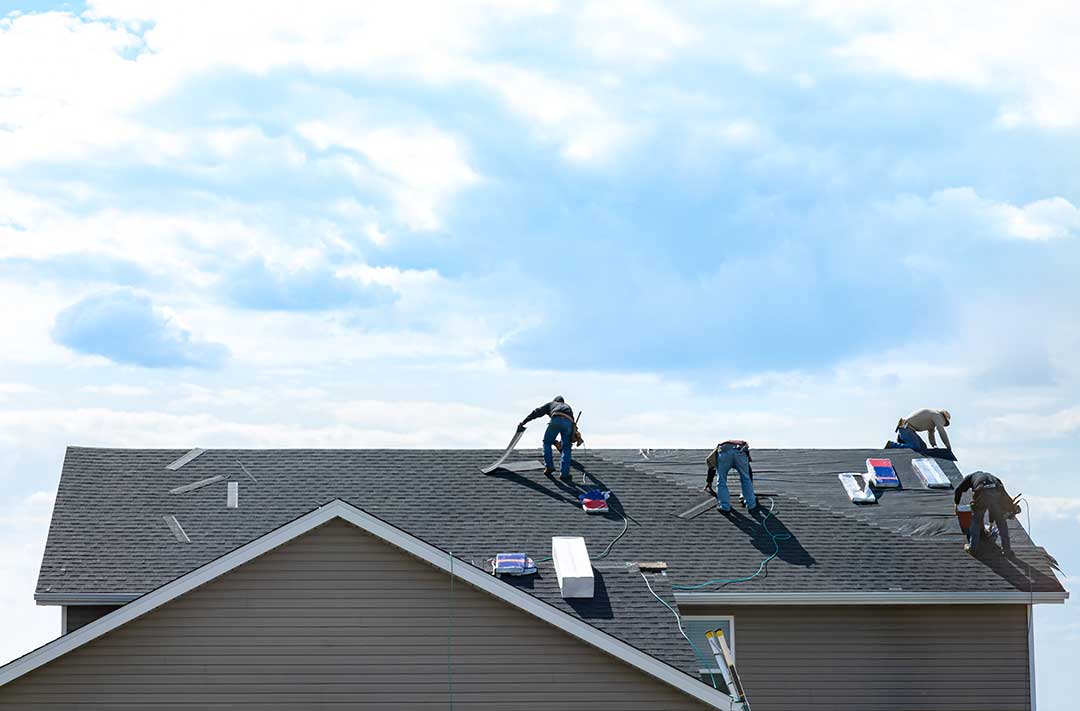
However, those initial costs often pay off through better durability and lower risk of water damage, especially in areas expecting heavy snow and rain.
Common Questions and Misconceptions
“Can you change the pitch of an existing roof?”
It’s possible, but it’s a major renovation involving framing changes—not just replacing shingles. Most local homeowners only consider this if adding new living space or correcting ongoing water problems.
“Is a flat roof ever a good idea in this area?”
Completely flat roofs are rare on residences because of the snow risks. Flat or very low-pitch roofs are sometimes used for porch covers, garages, or small additions, but they need special materials and ongoing attention.
“Does pitch affect attic ventilation?”
Yes, steeper pitches usually allow for better attic space and easier ventilation, helping to keep roofs dry in winter and reducing the risk of ice dams.
How Do Local Conditions Affect Pitch Choices?
Watertown’s snowfall, combined with freeze-thaw cycles, makes pitch a more important consideration than it might be further south. Some underappreciated factors include:
- Homes shaded by tall trees may not shed snow as quickly
- Wind patterns in open parts of the city can cause uneven snow loads
- Older roofs may have sagged, making actual pitch lower than original plans
Homeowners sometimes discover too late that what seemed like a minor change in roof design leads to chronic problems with leaks, attic moisture, or heavy snow build-up.
What Should Local Residents Ask During Roof Work or Repairs?
When replacing roofing or repairing damage, specific questions about pitch can help avoid problems:
- Is the pitch steep enough for this material?
- Will additional snow barrier or underlayment be used?
- How will attic ventilation and insulation work with this pitch?
- Is this design likely to trap ice or water anywhere?
Area households who understand how and why pitch matters are better prepared to make decisions that keep their homes dry, safe, and efficient year-round—especially through long, snowy winters that define life in this part of the state.
