
Roof damage rarely stays limited to the spot where it first appears. A missing shingle, small leak, or sagging area can allow water to reach insulation, framing, ceilings, electrical components, and interior finishes. In Watertown, NY, repeated freeze-thaw cycles, heavy snow, wind, and spring rain can make neglected roof problems worsen faster than many homeowners expect.
Understanding the risks helps residents decide which issues require prompt attention and which conditions can be monitored safely.
What happens when a small roof leak is ignored?
A small leak can spread beyond the visible stain on a ceiling. Water may travel along roof decking, rafters, insulation, or wiring before appearing inside the home. By the time a brown mark or bubbling paint becomes noticeable, moisture may already have affected several materials.
Common consequences include:
- Saturated attic insulation that loses effectiveness
- Softened or rotted roof decking
- Stained ceilings and damaged drywall
- Peeling paint and warped trim
- Damp framing around roof penetrations
- Musty odors caused by persistent moisture
A leak may also stop appearing temporarily when weather changes. That does not necessarily mean the roof has dried or the problem has resolved. Snow, ice, and wind-driven rain can enter through the same opening under different conditions.
Can delayed repairs lead to mold?
Yes. Mold growth becomes more likely when roofing leaks keep building materials damp for extended periods. Attics and roof cavities can be especially vulnerable because they may have limited airflow and are often difficult to inspect from inside the living area.
Mold is not always visible. It may develop beneath insulation, along roof sheathing, behind drywall, or around damp framing. A persistent earthy smell, recurring ceiling discoloration, or unexplained humidity can indicate that moisture has traveled farther than expected.
The risk is not limited to cosmetic damage. Damp materials can contribute to indoor air-quality concerns, particularly for people with allergies, asthma, or other respiratory sensitivities. Moisture should be addressed at its source rather than covered with stain-blocking paint or temporary patching alone.
Why is winter roof damage especially concerning in Watertown?
Cold-weather conditions can expose weaknesses that are less obvious during mild weather. Snow adds weight to the roof, while ice can form at eaves and interfere with normal drainage. Repeated freezing and thawing can enlarge small cracks and loosen roofing materials.
Ice dams are a common example. They form when heat escapes into a roof area, melts snow higher on the roof, and allows water to refreeze near colder eaves. The trapped water may work beneath shingles and enter the attic or wall assembly.
Winter conditions can also make repairs more hazardous. Snow-covered surfaces, ice, strong winds, and limited daylight increase the risk of falls. Homeowners should avoid walking on an icy roof or attempting repairs during unsafe weather. A roof can appear stable while hiding weak decking beneath snow or shingles.
Does a missing shingle really need prompt attention?
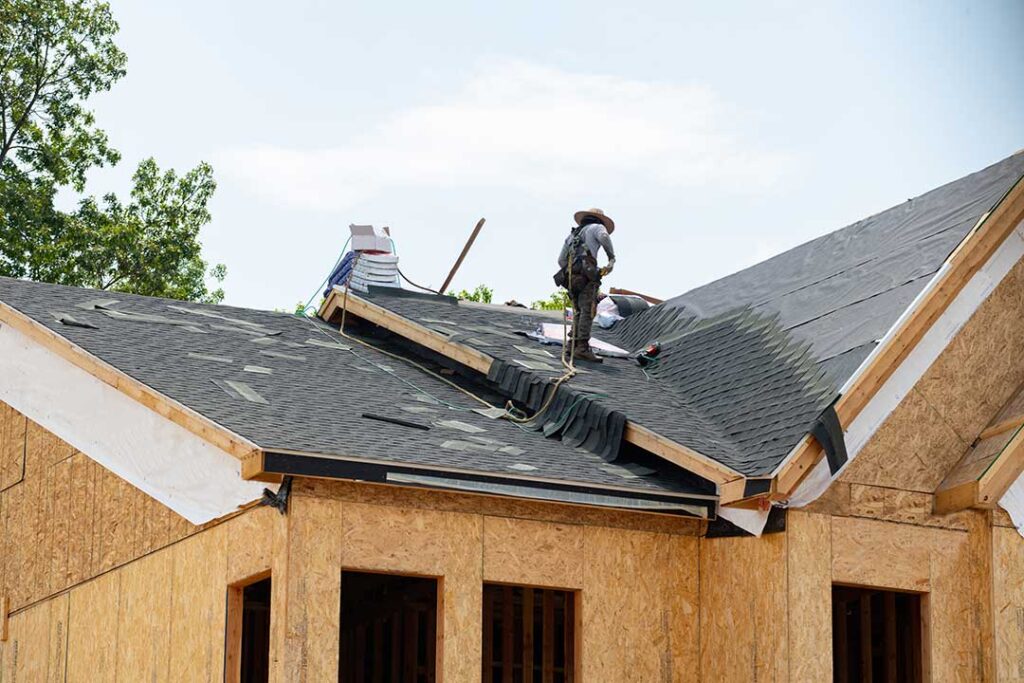
A missing shingle may expose the underlayment and roof decking to rain, snow, ultraviolet light, and wind. Even if no leak is visible indoors, the exposed area can deteriorate with each weather event.
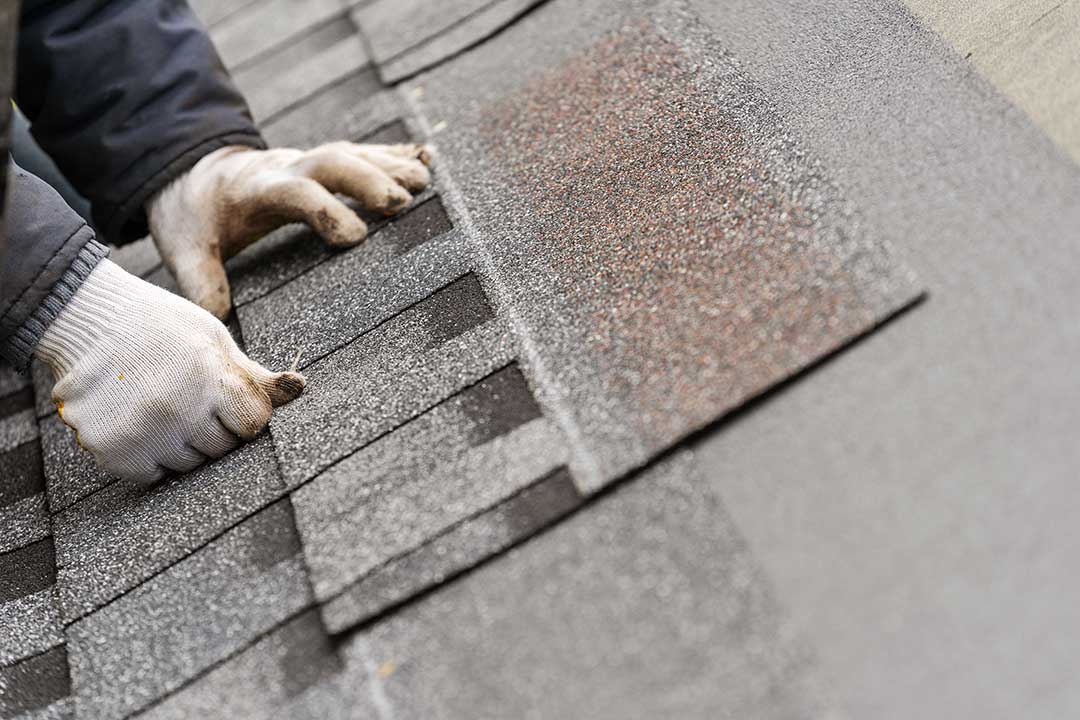
Loose or cracked shingles can create similar problems. Wind may lift surrounding materials, turning one damaged area into a larger section of missing or displaced roofing. Granules collecting in gutters, exposed fasteners, or shingle pieces found on the ground may indicate that the roof has sustained more damage than is visible from a window.
Prompt assessment is particularly useful after strong wind or heavy storms. The goal is not to assume that every damaged shingle requires a major project, but to prevent a limited defect from allowing water into the roof assembly.
How can neglected roof repairs affect the structure of a house?
Water weakens wood gradually. Roof decking, rafters, wall plates, and other framing members can begin to decay when moisture remains present over time. Structural deterioration may eventually cause areas of the roof to sag or feel uneven.
Warning signs can include:
- A visible dip or sag in the roofline
- Ceiling areas that bow downward
- Doors or windows that begin sticking near a damp wall
- Cracking around ceiling or wall joints
- Soft spots in attic sheathing
- Repeated leaks in the same location
A sagging roof is more serious than a surface shingle problem. It may indicate damaged decking, framing concerns, drainage problems, or excessive weight. People should stay clear of visibly weakened areas and avoid climbing onto a roof that appears unstable.
Can a roof problem damage electrical systems?
Yes. Water entering near attic wiring, light fixtures, junction boxes, or other electrical components can create a shock or fire hazard. Moisture may not be visible at the fixture itself because it can travel along wiring or framing.
If water is near a light, outlet, electrical panel, or appliance connection, avoid touching the affected equipment. If it is safe to do so, power can be turned off to the affected circuit, but standing water and electrical systems should never be handled together. Immediate safety concerns may require assistance from an appropriately qualified electrical or building professional.
A roof repair alone may not address electrical damage that has already occurred. Both the source of the leak and any affected components may need evaluation.
Why do roof repairs often become more expensive after delays?
Delayed repairs allow secondary damage to accumulate. Replacing one damaged roofing component may be relatively limited, while repairing soaked insulation, rotted decking, damaged drywall, framing, and electrical components requires more time and materials.
The final cost is also affected by how accessible the damage is. A small roof opening above an attic may be easier to trace than moisture that has traveled into an enclosed wall cavity. Hidden damage can remain unnoticed until flooring, trim, or interior walls begin to deteriorate.
Insurance coverage may also depend on the circumstances and policy language. Sudden storm damage and long-term maintenance issues are not always treated the same way. Keeping dated photographs and notes after a storm can help document changing conditions, although coverage decisions belong to the insurer and the specific policy.
Which roof problems should not wait?
Some conditions deserve prompt attention because they can worsen quickly or create safety risks:
- Active water entering the living space
- A ceiling that is bulging or sagging
- Extensive missing shingles after wind
- A roof section that has visibly collapsed or shifted
- Water near electrical equipment
- Large amounts of snow combined with structural sagging
- Loose materials that could fall onto walkways or vehicles
- Damage around chimneys, vents, skylights, or other roof openings
Until the problem is assessed, containers can be used to catch limited interior drips, and valuable belongings can be moved away from the affected area. Do not puncture a bulging ceiling unless directed by someone qualified to address the hazard, because the cavity may contain a substantial amount of water.
How can homeowners spot trouble before a leak appears?
Regular observation can identify problems early. From the ground, residents can look for missing or curled shingles, exposed underlayment, damaged flashing, sagging rooflines, and debris collecting in valleys or gutters. Inside the attic, signs may include damp insulation, daylight visible through the roof deck, darkened wood, rusted fasteners, or water trails.
After major snow, wind, or rain, an inspection from the ground can reveal changes that were not present previously. Gutters should also be checked for excessive shingle granules, although a small amount of granule loss can occur naturally as roofing materials age.
Roof maintenance does not eliminate every risk, but it can reduce the chance that a minor defect becomes hidden structural or interior damage. In a cold, snowy climate, timely attention is especially valuable before the next cycle of freezing temperatures, snow accumulation, and spring runoff.
