

Do Roofs Need Replacement Only When They Leak?
Not all roof problems start with a visible leak. Many homeowners assume that a leak is the first and only sign that a new roof is needed. In reality, several warning signs appear well before water comes inside. Common indicators include missing shingles, curling or cracked edges, shingle granules in gutters, or visible sagging. Watertown’s mix of cold winters, heavy snow, and freeze-thaw cycles can accelerate wear unseen from the ground.
Ignoring subtle signs may allow moisture to enter the roof deck, causing hidden rot or mold. Early detection saves on costly repairs and extends the service life of area homes.
Is Roofing Only a Summer Project in Watertown?
Many people believe roofs can only be repaired or replaced during hot months. The region’s cold, snowy weather does create challenges, but advances in roofing materials and techniques allow professional repairs and installations during most of the year. Precautions must be taken to ensure adhesives and shingles perform reliably in cooler or damp conditions, but mild fall and even some winter days present workable windows.
Homeowners sometimes wait for the “perfect” season, but this can mean living with unresolved issues for months. Delays risk further water damage, especially if ice dams form. A proper inspection and knowledgeable planning identify the safest, most effective timeline for essential repairs, regardless of the month.
Are All Roofing Materials the Same?
Shingles may look alike from the street, but not all roofing materials offer equal durability, insulation, or suitability for the city’s climate. Asphalt shingles remain most common locally, yet significant differences exist in lifespan and weather resistance between budget and premium lines. Metal roofing, though costlier upfront, often lasts several decades longer and sheds snow efficiently, which is useful for homes with low-slope roofs.
Some homeowners believe “roofing is roofing.” However, understanding how each product handles snow load, ice, UV, and wind helps area households make better choices. Local regulations and historic district guidelines can also limit material options.
Does a New Roof Mean the Attic Stays Dry?
It’s a misconception that replacing shingles alone guarantees a dry attic. Proper attic ventilation and insulation are also key. Without them, even a new roof can suffer from condensation problems, especially during Watertown’s cold winters. Warm interior air rising to the roof meets the cold surface, causing moisture buildup that appears as frost or dampness on rafters and sheathing.
This commonly results in mold growth or wood rot, which shortens the roof system’s life. Ensuring adequate insulation and clear soffit and ridge vents reduces condensation risks and improves energy efficiency for homes during heating season.
Will Warranty Coverage Fix Any Future Problem?
Roof warranties often sound reassuring, but many residents mistakenly believe they provide blanket coverage for any type of future issue. Most warranties have strict requirements tied to installation quality, ventilation, and periodic maintenance. For example, damage from fallen branches, improper attic airflow, or ice dams generally falls outside standard protections.
Area households benefit from reading warranty details before making assumptions about what is or isn’t covered. Keeping documentation of installation, inspections, and repairs makes future warranty claims smoother when they truly apply.
Is Roof Maintenance Unnecessary With Modern Materials?
Some believe that modern roofs require no maintenance until replacement is needed. While today’s materials are more resilient, they are not maintenance-free. Regular tasks—such as clearing branches and leaves, keeping gutters unclogged, checking flashings, and watching for ice dams—help preserve the whole system.
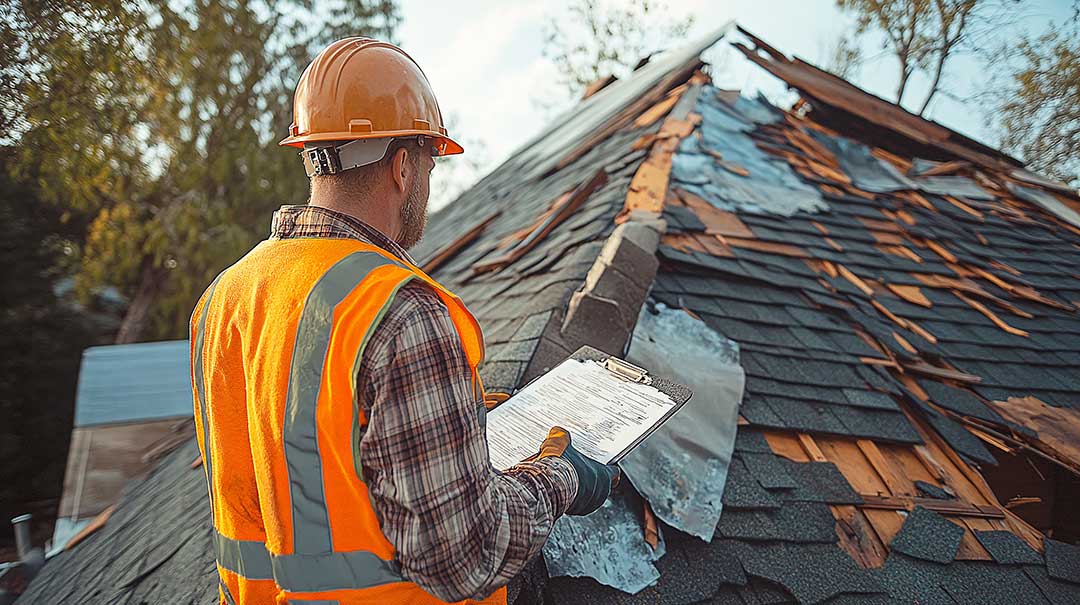
Neglecting basic upkeep, especially after heavy winds or storms, accelerates deterioration. In a region with variable weather and heavy snowfall, routine checks after each season catch small issues before they turn into expensive repairs.
Can Ice Dams Be Avoided With Just Better Shingles?
In regions like Watertown, ice dams form when heat escaping from living spaces melts snow higher on the roof, which then refreezes at the edges. Some assume installing sealed shingles will prevent this. The reality is, ice dams are more about insulation and ventilation than shingle brand or style.
Improving attic insulation, sealing air leaks, and ensuring proper ventilation underneath the roof deck address the root cause. Supplementary products like ice and water shield barriers provide extra protection, but they don’t fully solve the issue alone. Understanding the interplay of roof design, insulation, and local weather is crucial.
Are Roof Repairs Easy DIY Projects in Watertown?
DIY repairs might seem appealing after a windstorm or when a few shingles blow off. While small repairs are possible for some handy homeowners, most roof work involves greater risks than initially expected. Steep pitches, slippery surfaces, and the structural complexity of modern roofs make repairs dangerous and easy to mishandle, especially during rain or icy conditions.
Improper patching often hides underlying problems and may void warranties. Area codes also regulate certain work, particularly on multifamily or historic homes. Whenever safety or building inspection is a concern, consulting an expert is wise.
Does Insurance Automatically Cover All Roof Damage From Storms?
Not all storm-related roof damage is automatically covered by typical homeowners’ insurance. Many policies distinguish between sudden accidental damage and gradual wear. For example, “wind-driven rain” may be excluded if shingles are old or previously in disrepair. Prompt documentation and awareness of policy details matter after any major weather event.
Local residents should review current coverage regularly to ensure expectations align with reality when the next storm hits, as coverage varies by insurer and policy specifics.
