
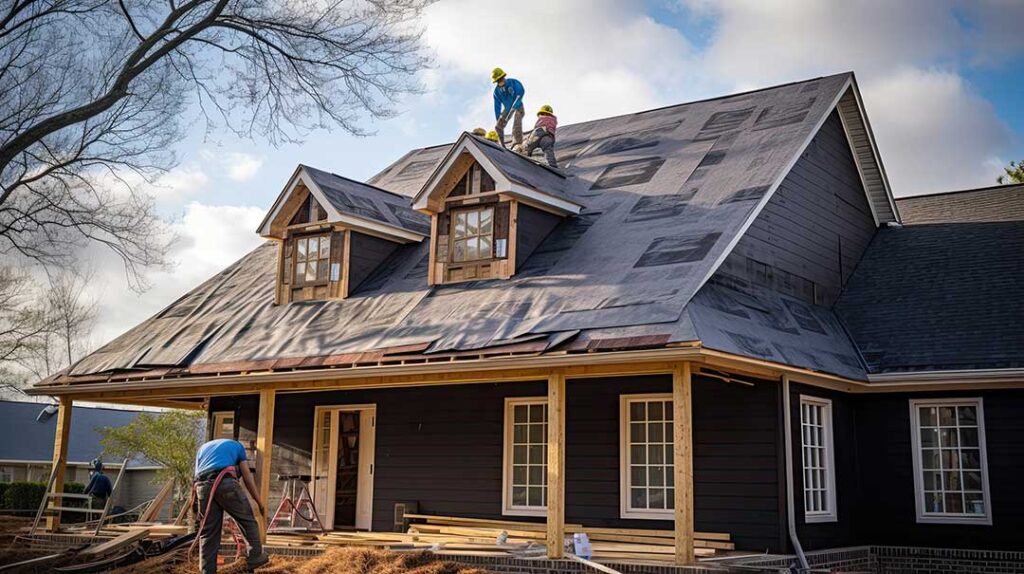
Why Prepare Your Roof for Winter in Watertown, NY?
Preparing your roof for winter helps prevent problems caused by heavy snow, ice, and fluctuating temperatures common in Watertown. Addressing potential trouble spots before the first snowfall can reduce the risk of leaks, ice dams, and winter storm damage. Local winters are typically long, windy, and marked by deep cold snaps, making proactive maintenance especially important.
What Roof Areas Most Need Attention Before Winter?
Certain parts of a roof are more vulnerable to winter issues, especially under the specific weather conditions the city experiences. Focus on:
- Valleys, where two roof pitches meet and snow may pile up
- Eaves, where ice dams can form as melted snow refreezes
- Flashings around chimneys, vents, and skylights, as temperature swings can loosen these seals
- Gutters and downspouts, which must be clear to drain runoff efficiently
Paying close attention to these areas helps prevent common cold-weather problems, like leaks caused by ice backing up under shingles or gutter overflows resulting in foundation or siding concerns.
How Can Homeowners Safely Inspect Their Roofs?
Begin with a visual inspection from the ground, using binoculars if needed. Look for:
- Missing, curled, or damaged shingles
- Rusted or loose flashing
- Sagging roof lines
- Damaged or overflowing gutters
If leaves are still falling or snow arrives earlier than expected, inspect after heavy weather events as well. Never walk on a snow- or ice-covered roof, as surfaces can be dangerously slippery and brittle in freezing conditions. Residents with two-story homes or steep pitches should use a ladder only on firm, level ground, or consider viewing the roof from accessible upper windows.
What Are the Steps to Get Gutters and Downspouts Ready?
Clean gutters are crucial for proper roof drainage during winter. Clogged gutters can freeze, leading to ice dams that damage shingles.
- Remove leaves, twigs, and debris by hand or with a gutter scoop
- Flush gutters and downspouts with a hose to ensure clear flow
- Check for loose sections, holes, or sagging hangers and repair as needed
- Make sure downspouts deposit water several feet from the foundation to avoid pooling
Fall winds in Watertown often bring new debris even after an initial cleaning, so check a second time just before freezing temperatures set in.
How Can Local Residents Reduce the Risk of Ice Dams?
Ice dams form when melted snow runs down to the roof's edge and refreezes, creating a ridge that blocks further drainage. Water pooling behind the dam can force its way beneath shingles, causing unseen leaks and insulation damage.
- Keep attic insulation at recommended levels to prevent heat loss into the roof
- Ensure attic vents are open and unblocked, helping cold air circulate and maintain a cold roof surface
- Check for gaps around attic access points, plumbing, and light fixtures that might let warm indoor air escape upward
- Remove accumulated snow from eaves (only if it can be done from the ground with a roof rake—never from atop a ladder in icy conditions)
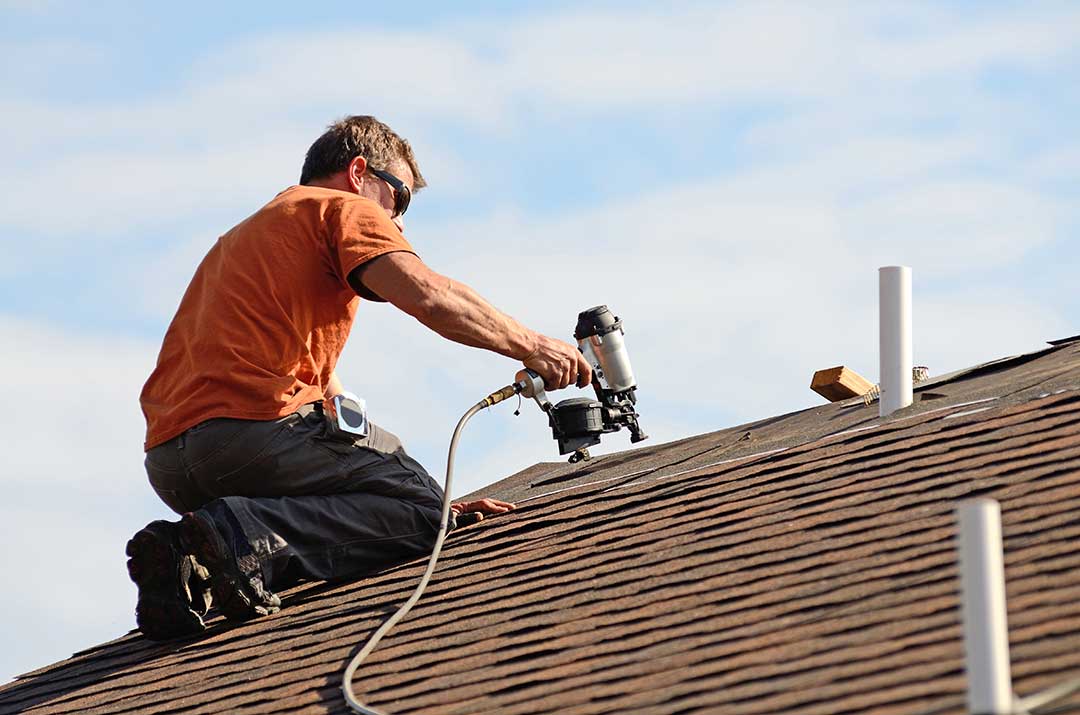
Addressing these factors helps keep the roof surface even in temperature and reduces the conditions that cause melt-refreeze cycles.
What Repairs Should Be Completed Before the First Snow?
Address issues found during your inspection as soon as possible, preferably before cold weather sets in:
- Replace missing or broken shingles to prevent leaks
- Re-seal or replace old flashing around chimneys and vents to stop water intrusion
- Secure loose gutters and downspouts
- Trim back overhanging branches that could shed leaves or break under snow load
Some repairs require dry, moderate weather for materials to bond or cure properly. Avoid patching roofs or applying sealants in sub-freezing conditions, as many products may not adhere well in cold.
Are There Common Misconceptions About Winter Roof Preparation?
Many assume a newer roof does not need inspection, but even recently installed systems benefit from a seasonal check for flashing, venting, and gutter issues. Another misconception is that attic insulation alone prevents ice dams; both insulation and effective ventilation are necessary. Some also believe salt or chemical de-icers are a safe solution for snow or ice—it’s best to avoid these without expert guidance, as many products can damage shingles and downspouts.
How Does the Climate in Watertown Affect Roof Preparation?
Winter in the area often brings frequent freeze-thaw cycles, lake-effect snow, and high winds. These conditions can stress roofing materials more than in milder regions. For example, metal components can expand and contract daily, loosening fasteners. Deep snow loads may linger on certain roof styles, further testing the structure. Local knowledge about snowfall patterns, average temperatures, and storm risks can inform residents about when maintenance is most critical. It’s wise to plan roof preparation in late autumn, after the bulk of leaf fall but before hard freezes and the first major snow event.
What Safety Precautions Should Be Taken?
Winter roof care comes with unique hazards. Climbing on icy roofs or using ladders in slippery conditions increases the risk of falls and injury.
- Always use sturdy ladders set on level surfaces and have someone nearby when working at height
- Never use metal rakes near electrical wires
- If repairs appear hazardous due to roof height, steepness, or icy buildup, or if structural damage is suspected, prioritize safety and consider available municipal or community resources for guidance
Taking time to properly prepare your roof ahead of winter helps homeowners in Watertown avoid unexpected repairs and makes dealing with snow and ice less stressful through the season.
