
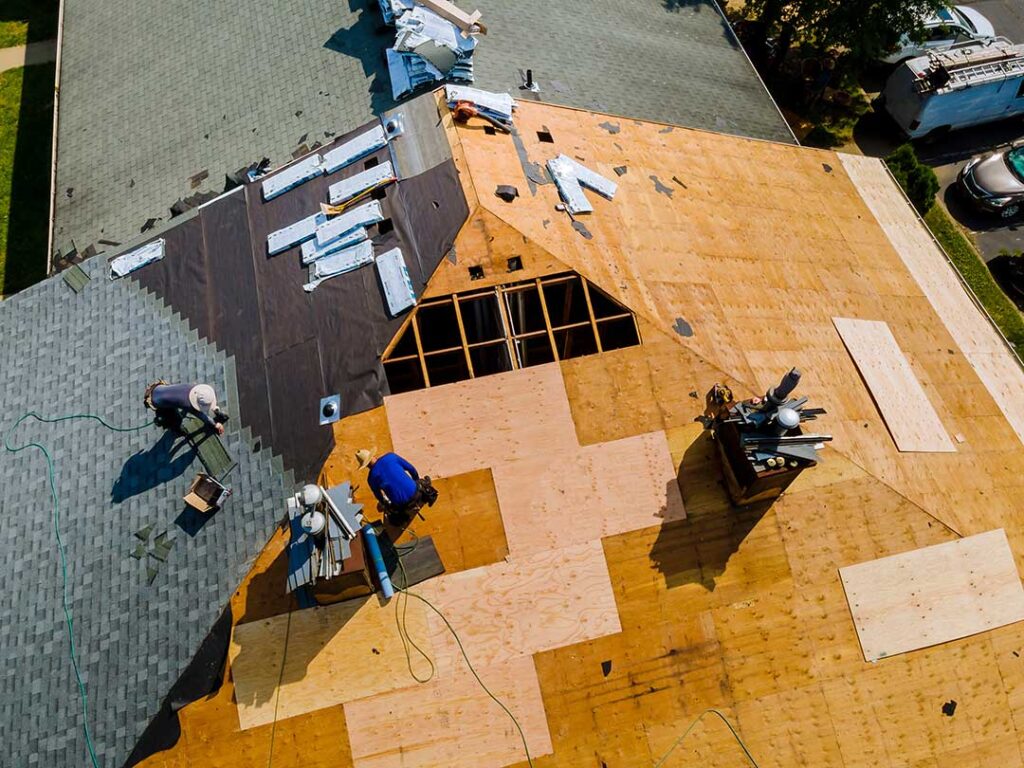
Why Should Watertown, NY Residents Prepare Their Roofs for Hurricane Season?
Preparing your roof before hurricane season protects your home from wind, rain, and flying debris that can cause damage in severe storms. While Watertown isn’t on the coast, the city can experience strong winds and heavy rainfall during hurricanes and tropical storms that travel inland, especially in late summer and early fall. Proactive preparation helps area families avoid leaks, water damage, and costly emergency repairs later.
What Local Weather Factors Should Area Homeowners Consider?
Watertown’s weather is unique due to its northern location, Lake Ontario’s effect, and a mix of older and newer housing stock. While direct hits from hurricanes are rare, the remnants or outer bands often bring high winds and torrential rain, sometimes after a wet summer season that has already tested older roofs. Snow loads and ice from previous winters can also strain roofing materials, making timely inspections critical each spring and summer.
Which Roofing Issues Can Make Storm Damage Worse?
Addressing weaknesses before hurricane season greatly reduces risk. Major concerns include:
- Loose, curling, or missing shingles allow rain to penetrate the roof deck.
- Old or cracked flashing, especially around chimneys, skylights, and roof valleys, can leak during wind-driven rain.
- Blocked gutters and downspouts cause water to back up under shingles.
- Tree limbs that hang over the home can fall or scrape shingles in high winds.
Homes with aging asphalt, wood shake, or older metal roofs may have hidden vulnerabilities that newer, properly installed roofs do not.
How Can Residents Visually Inspect Their Roof Safely in Watertown?
Spring and early summer offer safe conditions for residents to evaluate roof condition. Always stay on the ground if unsure of footing or when the roof is steep or wet. Use binoculars to look for:
- Shingles that appear lifted or are missing grit
- Rust, gaps, or visible movement in metal flashing
- Moss, algae, or plant growth which can lift shingles
- Clogged gutters, especially near downspouts
- Branches or debris accumulated from windstorms
If unsure, consider asking someone to check from inside the attic for damp spots, daylight penetration, or musty odors indicating slow leaks.
What Maintenance Steps Directly Reduce Storm Damage?
Simple, regular maintenance makes a real difference. Area homeowners can:
- Clear gutters and downspouts so water flows freely away from the structure.
- Remove debris such as leaves, pine needles, and twigs from roof surfaces.
- Trim back limbs and branches to at least six feet away from the house.
- Secure or replace loose or damaged shingles with matching materials.
- Seal or replace worn caulk around roof penetrations, such as vent stacks.
- Check attic ventilation to prevent moisture build-up, which weakens roof decking.
Properly discarding debris helps reduce the risk of it becoming projectiles in high winds. Bagging material and using municipal yard waste collection services is recommended.
Are There Emergency Supplies Every Household Should Keep Ready?
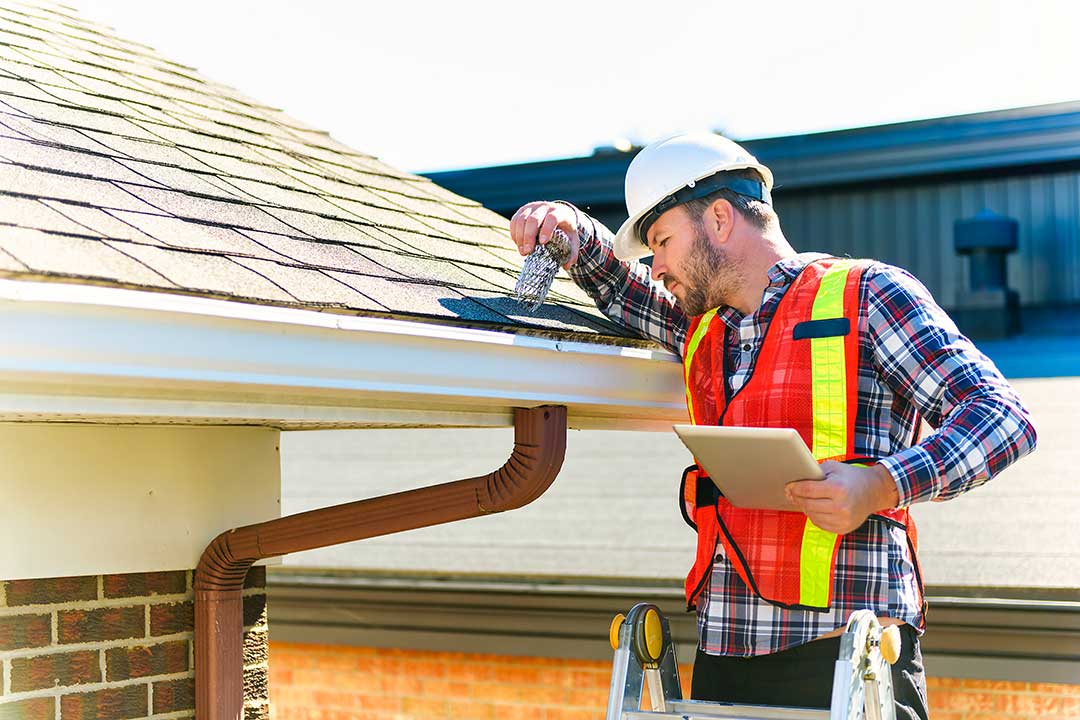
Watertown residents often find it useful to have a small stock of emergency roofing supplies on hand before a major storm is forecast. These can include:
- Roof tarps and heavy-duty plastic sheeting
- Roofing nails, cap nails, and duct tape
- Utility knife and roofing cement
- Flashlights and extra batteries (for attic or crawlspace inspection after a storm)
While these items do not prevent all damage, being able to cover a damaged area immediately lowers the risk of water infiltration until permanent repairs can be made.
What Are Common Misconceptions About Preparing Roofs for Severe Storms?
Many believe hurricane preparation is only for coastal regions. In reality, the aftermath of hurricanes can be severe across northern parts of New York, with inland winds strong enough to rip off roofing, especially on older homes. Another misconception is that newer roofs don’t require checks—wind-driven debris can damage even recently installed materials if not properly inspected and maintained.
Relying solely on insurance is another pitfall. Most policies may not cover gradual leaks caused by deferred maintenance or wear and tear, highlighting why seasonal preparation is worthwhile.
Which Issues Require Professional Assistance for Safety?
Some jobs are best left to experts, especially when:
- Mold, visible wood rot, or widespread leaks are present inside the home
- There are multiple stories or steep roof pitches that make access risky
- Electrical wires or heavy tree limbs are near damaged areas
- Permitting or code compliance questions arise after major damage
Working on roofs is physically dangerous and, sometimes, not allowed by local code for certain repairs. In those cases, contacting a qualified professional is the safest route.
How Does Seasonal Roof Prep Benefit Homeowners in Watertown Overall?
Even when major storms do not hit every season, thoughtful preparation extends the lifespan of a roof and protects your investment. It reduces hassle during stressful weather and can help maintain consistent home insurance premiums by preventing avoidable damage. For many in the area, the peace of mind gained by taking care of routine checks in spring and summer makes confronting hurricane season less worrying.
