

How Does Sun Exposure Affect Residential Roofs in Watertown, NY?
Direct sun exposure slowly wears down roofing materials over time. In Watertown, where seasonal changes bring both long summer days and winter snow, roofs face unique stress from ultraviolet (UV) rays during the sunnier months. These UV rays cause gradual fading, drying, and weakening of many roofing surfaces. Even though winters may seem more pressing, many local roof issues actually stem from accumulated sun damage.
For homes across the city, prolonged sunshine—particularly in late spring to early fall—can shorten the expected lifespan of asphalt shingles, wood shake, and even metal roofing if not properly maintained or ventilated. While most roofs are engineered for some sun, a south-facing roof or homes with minimal surrounding shade tend to show faster aging.
What Kinds of Roofing Materials Are Most Susceptible?
All roofing materials change with long-term sun exposure, but some degrade faster than others.
- Asphalt shingles, the most common type in the city, tend to dry out and become brittle from repeated sun exposure. The granules that add color and protection can wash away, making shingles prone to cracking.
- Wood shakes and shingles lose their natural oils under intense sunlight. This leads to cupping, warping, and general deterioration, as Watertown’s winters add moisture-related stress after a dry summer.
- Metal roofs can expand and contract with rapid heating and cooling. Over time, UV rays may degrade protective coatings, increasing the risk of rust or faded paint.
Tile and slate roofs fare better under sun, but can still experience color fading or surface chalking over many years.
How Does Sunlight Influence Summer Roof Temperatures?
During peak summer, roof temperatures can soar far higher than the air temperature in Watertown. Sun-exposed roofing surfaces commonly exceed 150°F on a clear July afternoon—even if the air only reaches 85°F.
This extreme heat accelerates the breakdown of roofing materials, causes shingle adhesives to weaken, and can even affect attic temperatures inside the home. Without proper attic ventilation, this heat gets trapped, stressing the roof from above and below. Local homeowners might notice warped shingles or blistering, especially on sun-facing slopes, after a particularly hot stretch.
Are There Hidden Effects of Sun Exposure on Insulation and Energy Bills?
Yes, as roofs degrade under sun exposure, their ability to reflect heat and insulate the home weakens. Fading granules or protective coatings allow more solar energy to penetrate the roofing system. This can make attics and upper floor rooms warmer, forcing air conditioners to work harder.
Many area residents notice rising summer utility bills and assume it’s only due to outdoor temperature—but an aging, sun-worn roof quietly contributes to higher cooling costs. Heat entering the attic may also make it harder to keep household storage safe from excessive moisture or heat damage.
What Does Sun Damage Actually Look Like on a Roof?
Spotting sun damage can help prevent larger problems. Common visible signs include:
- Shingles that are curled, cracked, or missing granules
- Faded or bleached sections, often on the sunniest side of the roof
- Blistering or bubbling on shingles or flat roofing membranes
- Wood that looks gray and splintered, instead of evenly finished
- Exposed metal areas with peeling paint or rust starting around fasteners
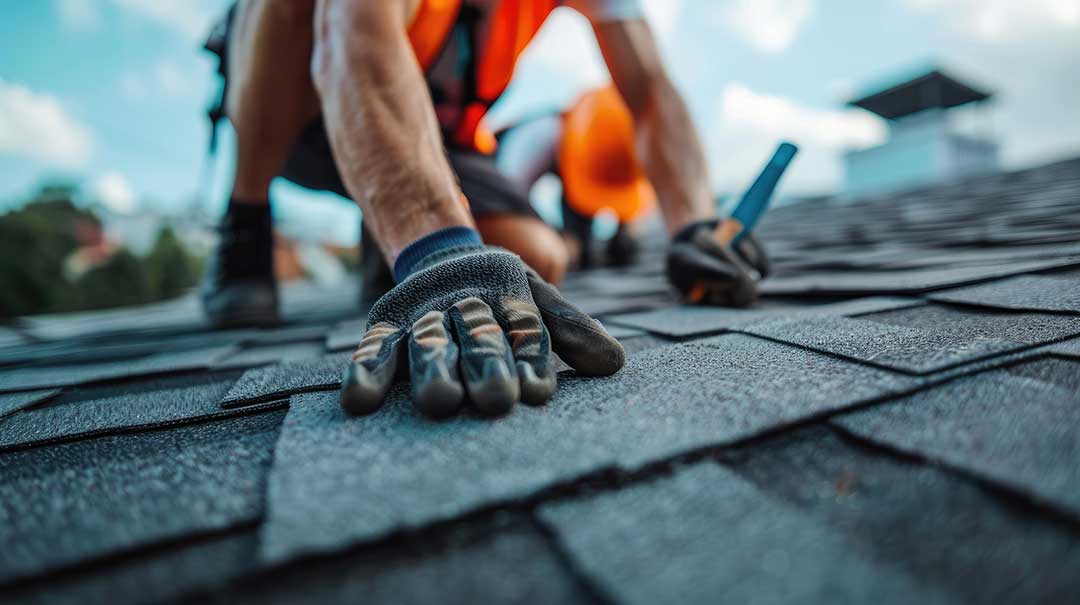
Roofs on older homes or those without tree cover show these symptoms fastest. Fall roof inspections after the sunny season help catch these changes before winter brings ice and snow.
Do Shade and Orientation Make a Difference Locally?
Absolutely—a roof’s orientation and amount of shade significantly affect how much sunlight it absorbs. In neighborhoods where homes are closer together or where mature trees provide midday shade, roofing materials last longer and show fewer signs of sun stress.
South- and west-facing slopes tend to be the hottest and most worn since they see the strongest afternoon sun. Corner lots or open properties without shade see the greatest contrast between sun-facing and shaded roof sections. Understanding these microclimates within Watertown helps explain why some roofs need repairs sooner than others on the same block.
Is Sun Damage Only a Summer Issue?
Not entirely—UV exposure is strongest in the summer, but sun damage builds up all year, even on cold, clear winter days. When reflective snow is present, UV rays can intensify, hitting rooftops from multiple angles.
Combined with repeated freezing and thawing, this year-round process accelerates aging. That’s why local homeowners sometimes find new leaks or cracked shingles during spring melts, even if the damage was building for months under the snow.
Can Coatings or Roof Color Reduce Sun Impact?
Yes, roof color and special reflective coatings make a measurable difference. Lighter-colored shingles and metal roofs reflect more sunlight, resulting in lower surface temperatures and slower breakdown. Many newer roofing products used locally offer built-in UV resistance or have granules and coatings specifically formulated for sun exposure.
However, color and coatings can only slow—not stop—the effects of ongoing sunlight. Periodic inspection and timely maintenance remain important, especially as materials age.
What Maintenance Actions Help Mitigate Sun Damage?
Simple upkeep goes a long way. Regular debris removal, cleaning gutters, and trimming back nearby branches help the roof shed heat and moisture more effectively. Inspecting after high-UV periods—like late summer—and replacing worn shingles or recoating exposed areas prevent minor sun damage from spreading.
Proper attic insulation and venting are often overlooked but are crucial for reducing heat buildup under the roof deck. Local households with well-ventilated attics tend to report fewer sun-related roofing problems and more manageable indoor temperatures.
Keeping a roof healthy in Watertown means understanding how seasonal sun exposure quietly shapes its performance—and taking practical steps to stay ahead of its effects.
