
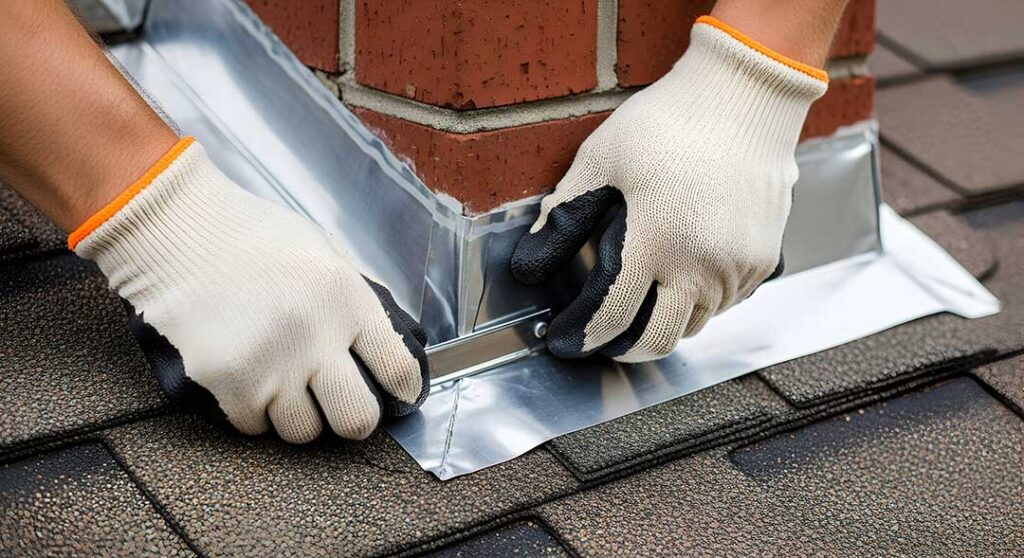
What Factors Should Homeowners in Watertown, NY Consider First?
The right roof color does more than improve curb appeal; it also supports home comfort and may affect future maintenance. In a community like Watertown, where winters are long and summers can be warm, color decisions benefit from a thoughtful approach.
The most important factors for area homeowners include:
- Regional climate and seasonal weather
- Home style and exterior materials
- Neighborhood norms and HOA guidelines, if applicable
- Long-term maintenance and visual aging
Each of these factors helps ensure your selection fits both practical needs and personal preference for years to come.
Does Roof Color Impact Energy Efficiency in the Local Climate?
Yes, roof color directly influences energy use, especially during seasonal temperature swings. In Watertown’s climate, winters are often cold and snowy, with occasional hot spells in summer, so the balance between heating and cooling is significant.
- Dark shingles or roofing surfaces tend to absorb more heat. In the winter, this can help melt snow and reduce ice dam formation, but dark colors will also raise attic temps during rare heatwaves.
- Light or reflective colors reflect more sunlight, helping keep homes cooler in summer, but may allow snow to linger on rooftops, which can sometimes promote ice damming if attic ventilation is inadequate.
Local households who prioritize winter comfort and snow shedding may lean toward mid- or darker tones but should also consider attic insulation and ventilation to optimize efficiency. There is no single "best" color for energy savings; the decision often comes down to the specific priorities of each household.
How Should Roof Color Complement Your Home’s Exterior?
The ideal color typically coordinates with siding, brick, stone, and trim. In Watertown, diverse home styles range from traditional colonials and farmhouses to modern builds, resulting in varied color pairings:
- Earthy tones (like browns and dark greens) work well with brick or stone.
- Grays, black, or deep blue tones suit both white and light-colored sidings.
- Lighter shingles can accentuate smaller homes or bungalows, making them appear larger.
Bringing home paint swatches, shingle samples, or digital color previews can help ensure choices work under local sunlight, which changes with the season.
Are There Neighborhood Trends or Restrictions?
Some neighborhoods in Watertown use homeowners associations (HOAs) or informal guidelines to maintain a harmonious look. Most HOAs specify:
- Permitted shingle colors or palettes
- Reflectivity limits to avoid glare for neighbors
- Replacement requirements for storm-damaged roofs
Even in areas without formal HOAs, observing the predominant roof colors in the immediate area can help avoid clashes and preserve property values. It’s always smart to check any relevant codes or associations before installation.
How Well Will Different Colors Hide Wear and Aging?
All roofs face wind, rain, heavy snow, and temperature swings, which can accelerate algae growth, staining, and fading. Some colors are better at disguising these effects than others:
- Grays and medium-tone browns are often chosen for practicality—they tend to mute dirt, mildew, or slight fading over time.
- Lighter colors may show debris, moss, and leaf stains more visibly, especially in shady sections.
- High-contrast patterns (speckled or blended styles) can also mask minor blemishes between cleanings.
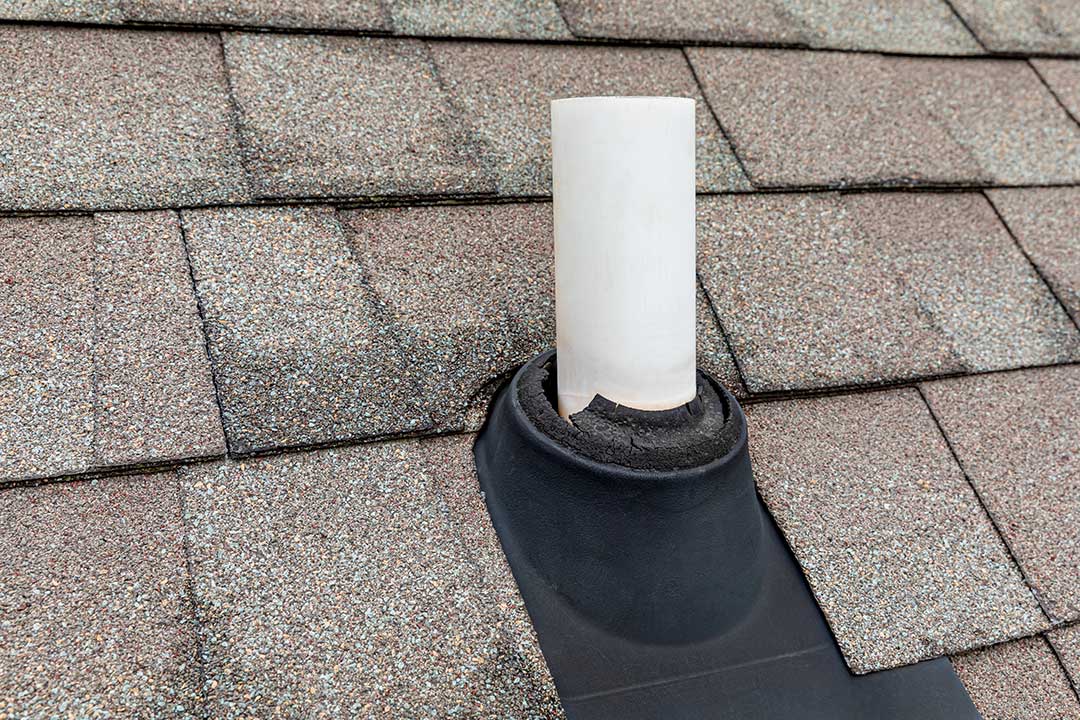
In areas close to trees, riverbanks, or with frequent wind-blown dirt, selecting a tone that subtly camouflages these factors can help roofs look fresh longer.
What Mistakes Do Homeowners Often Make When Selecting Roof Color?
A common misconception is focusing solely on appearance or trends featured in magazines, rather than practicality for local conditions.
Frequent oversights include:
- Ignoring potential ice dam problems when choosing light colors
- Selecting colors that clash with permanent exterior features
- Matching the exact shade of siding or trim, which can make details blend together (contrast is usually more attractive)
- Overlooking that certain pigments fade faster in strong sunlight, which is a consideration for sunnier exposures
Thinking about the roof as part of an overall design—one that lasts—prevents disappointment down the road.
Can You Preview Roof Colors Before Deciding?
Many manufacturers and local suppliers provide sample boards or digital visualizer tools. These let residents see how various colors appear alongside their actual siding and landscaping, factoring in the unique daylight of the area. Viewing samples outdoors at different times of day provides the most accurate impression.
Taking the extra step to look at roofs of nearby homes built with similar materials can also help, since this provides real-world examples of how colors look after several seasons in the local climate.
What About Resale Value?
Roof color is a key factor in first impressions for homebuyers in Watertown and across the region. Neutral or classic shades—such as charcoal, weathered wood, or subtle blends—are broadly appealing and unlikely to limit interest when it’s time to sell. Unique or very bold colors may date a home or discourage buyers who prefer conservative color schemes.
While personal preference matters, selecting a timeless, well-matched color can prevent future regrets.
Summing Up: The Right Process for Local Residents
Choosing a roof color in Watertown involves weighing climate impacts, exterior style, neighborhood trends, maintenance, and resale value. Thoughtful consideration of these factors ensures the new roof serves practical needs, fits the environment, and complements both current and future tastes.
