
What is roof flashing?
Roof flashing is thin, durable material installed where water could enter a roof system. It directs rain, melting snow, and ice away from seams, joints, walls, and openings instead of allowing moisture to work underneath shingles or into the building.
Flashing is commonly made from corrosion-resistant metal, but some roof systems also use flexible membranes or specially formed materials. Its effectiveness depends less on appearance than on placement, overlap, slope, and how it connects with the surrounding roofing materials.
A roof may look sound from the ground while flashing beneath shingles, siding, or masonry is damaged or incorrectly installed.
Where is flashing used on a roof?
Flashing is needed anywhere the roof surface changes direction, meets another material, or is interrupted by an object. Common locations include:
- Chimneys and masonry walls
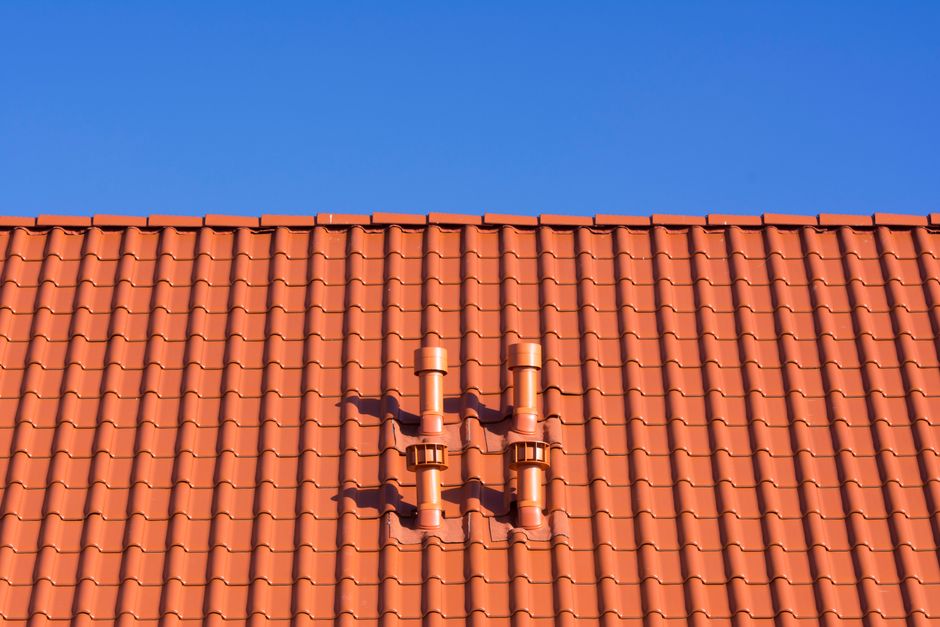
- Plumbing vent pipes
- Skylights
- Roof valleys
- Sidewalls and front walls
- Dormers
- Roof edges and eaves
- Areas where a lower roof meets a wall
- Intersections near porches, additions, and garages
- The edges of roof-mounted equipment
Each location uses a somewhat different flashing arrangement. A chimney, for example, usually needs base flashing, step flashing, and counterflashing. A wall-to-roof intersection may need step flashing along the slope and kick-out flashing at the lower end to move water away from the wall.
Why does roof flashing matter?
Flashing protects the areas most likely to leak. Shingles shed water across the broad portions of a roof, but they are not designed to seal every joint or vertical intersection by themselves.
Without properly installed flashing, water can enter:
- The roof deck
- Wall sheathing
- Attic insulation
- Ceiling cavities
- Framing around windows and doors
- Interior plaster, drywall, or trim
Moisture damage often develops slowly. A small leak may not appear directly below the original entry point because water can travel along rafters, sheathing, insulation, or wall cavities before becoming visible indoors.
Good flashing also reduces the chance that repeated wetting will lead to wood decay, mold growth, peeling paint, rusted fasteners, or weakened structural materials.
How does winter weather affect flashing in Watertown?
Watertown experiences cold winters, substantial snowfall, and repeated periods when temperatures rise above and fall below freezing. Those conditions place extra stress on roof edges, valleys, wall intersections, and penetrations.
Snow can cover flashing for extended periods. During a thaw, melting water may flow toward a flashing joint. If temperatures drop again, that water can freeze, expand, and place pressure on seams or laps. Ice can also conceal damage until water begins entering the roof assembly.
Ice dams are another concern. They form when snow melts on a warmer portion of the roof and refreezes near a colder eave. The resulting ridge of ice can obstruct drainage and force water beneath shingles and flashing. Proper flashing helps limit damage, but it does not correct the underlying causes of ice dams, such as uneven roof temperatures, air leakage, insufficient insulation, or inadequate ventilation.
What are the main types of roof flashing?
Step flashing
Step flashing consists of short pieces of metal installed in stages along a roof-to-wall intersection. Each piece is layered with the roofing material above it so water is directed outward rather than behind the wall covering.
It is especially important around dormers, sidewalls, and sections where a sloped roof meets vertical siding or masonry.
Counterflashing
Counterflashing is placed over or into a wall, chimney, or masonry surface to protect the upper edge of base flashing. On chimneys, it may be cut into mortar joints or formed as part of the masonry detail.
If counterflashing is loose, cracked, or missing, water may reach the flashing behind it.
Valley flashing
A valley collects runoff from two roof slopes, so it handles a large volume of water. Valleys may use exposed metal, concealed metal, or carefully installed layers of membrane and shingles, depending on the roof design.
Leaves, pine needles, snow, and ice can obstruct valleys. Fasteners placed too close to the center of a valley can also create leak points.
Drip edge
Drip-edge flashing is installed along roof edges to help direct water into gutters or away from the fascia and roof deck. It also helps protect the edge of the roofing system from wind-driven rain.
A drip edge is not a substitute for properly functioning gutters, but missing or poorly positioned edge flashing can contribute to stained fascia, wet sheathing, and deteriorated roof edges.
Kick-out flashing
Kick-out flashing is installed where a sloped roof ends against a wall. It directs water away from the wall and into the gutter or beyond the edge of the siding.
Without it, concentrated roof runoff can soak siding and wall materials, particularly during heavy rain or snowmelt.
What signs suggest a flashing problem?
Possible warning signs include:
- Water stains on ceilings or upper walls
- Damp insulation in an attic
- Peeling paint near a chimney, dormer, or exterior wall
- Rust-colored marks below metal flashing
- Loose, bent, cracked, or corroded metal
- Missing pieces near roof edges or valleys
- Water appearing after wind-driven rain
- Leaks that occur only during snowmelt or thawing weather
- Soft wood, darkened sheathing, or musty odors in the attic
- Shingles lifting around a roof penetration
The location of an interior stain does not always identify the location of the exterior problem. A leak near a chimney, for instance, may travel along framing before appearing several feet away.
Can caulk repair roof flashing?
Caulk may temporarily seal a small surface gap, but it is not a complete replacement for correctly installed flashing. Sealants age, crack, separate from metal, and may conceal water damage without correcting the way water is being directed.
A lasting repair may require replacing damaged flashing, removing surrounding shingles or siding, correcting fastener placement, rebuilding a joint, or addressing deteriorated wood beneath the flashing. The right method depends on the location and the materials involved.
Roof coatings and sealants should not be used to cover a flashing problem without first identifying the path water is taking.
What should homeowners check safely?
From the ground, residents can look for missing edge metal, visibly lifted materials, sagging gutters, heavy debris in valleys, and stains on exterior walls. Attic checks can reveal damp insulation, dark roof sheathing, or water marks after rain or thawing weather.
Walking on a steep, icy, snow-covered, or wet roof creates a serious fall risk. Chimneys, skylights, and roof edges are particularly hazardous areas. Any inspection involving unstable surfaces, electrical equipment, structural damage, or active leaking may require qualified assistance for safety and code-related reasons.
Flashing is most effective when it works as part of a complete water-management system. Shingles, underlayment, ice-barrier materials, gutters, wall drainage layers, insulation, and ventilation all influence how much moisture reaches vulnerable roof details.
How long does roof flashing last?
The service life of flashing varies widely. Material quality, installation, exposure, roof movement, snow and ice, nearby trees, and previous repairs all affect durability. Metal may remain in place for decades, while sealants and exposed fasteners often need attention sooner.
A roof replacement does not automatically mean every flashing detail has been properly renewed. Some flashing can be reused when it is sound and compatible with the new roof system, but concealed or damaged flashing may be difficult to evaluate without removing surrounding materials.
For homes in a cold, snowy climate, flashing deserves attention during routine roof inspections, after major storm events, and whenever roof work is performed near chimneys, walls, valleys, skylights, or roof edges.
