
A roof leak should be treated as a water-control and safety problem first, and a repair problem second. The immediate priorities are to protect people, limit interior damage, identify how far the water has traveled, and avoid making the roof damage worse.
What should you do first after discovering a leak?
Move furniture, electronics, rugs, and other belongings away from the affected area. Place a container beneath active dripping, but do not stand on wet flooring while carrying it if electrical equipment may be involved.
If water is near ceiling lights, outlets, switches, or appliances, turn off power to the affected area only if the electrical panel can be reached safely from a dry location. Do not touch electrical devices that are wet or surrounded by standing water.
A ceiling that is bulging or sagging may contain a significant amount of trapped water. Keep people away from the area. Do not puncture the ceiling unless there is an immediate, informed reason to do so and the electrical risk has been ruled out. A sudden ceiling failure can release more water than expected.
If the leak is severe, the ceiling is collapsing, or the building shows signs of structural distress, leave the area and seek emergency assistance.
How can you slow the damage inside the house?
Use towels, plastic bins, and washable containers to control water temporarily. Take photographs and short videos before moving items whenever possible. Images can help document the location, amount, and progression of the damage.
If water is spreading through insulation or drywall, avoid pressing on the ceiling or walls. Wet materials can become heavier and weaker. Remove only items that can be moved safely without climbing, reaching through water, or disturbing damaged surfaces.
For a small, accessible leak, a temporary container may be enough until weather conditions improve. A tarp or other exterior covering should be used only when it can be installed from a safe position. Climbing onto a wet, icy, snow-covered, or steep roof is especially hazardous.
Do not use a household vacuum to collect water unless it is specifically designed for wet use. Keep extension cords and electrical tools away from damp areas.
Where is the leak really coming from?
The visible drip inside may not be directly beneath the roof defect. Water can travel along roof decking, rafters, trusses, insulation, plumbing lines, and ceiling framing before entering the living space.
Common roof-related sources include:
- Missing, cracked, or lifted shingles
- Damaged flashing around chimneys, walls, vents, and skylights
- Blocked or improperly draining roof valleys
- Failed pipe or equipment penetrations
- Deteriorated sealants
- Ice dams along the eaves
- Wind damage or fallen branches
- Roof edges or low-slope sections that hold water
Plumbing, attic condensation, heating equipment, and bathroom ventilation can create stains that resemble roof leaks. A stain appearing during a storm is a useful clue, but it does not prove the roof is the only possible source.
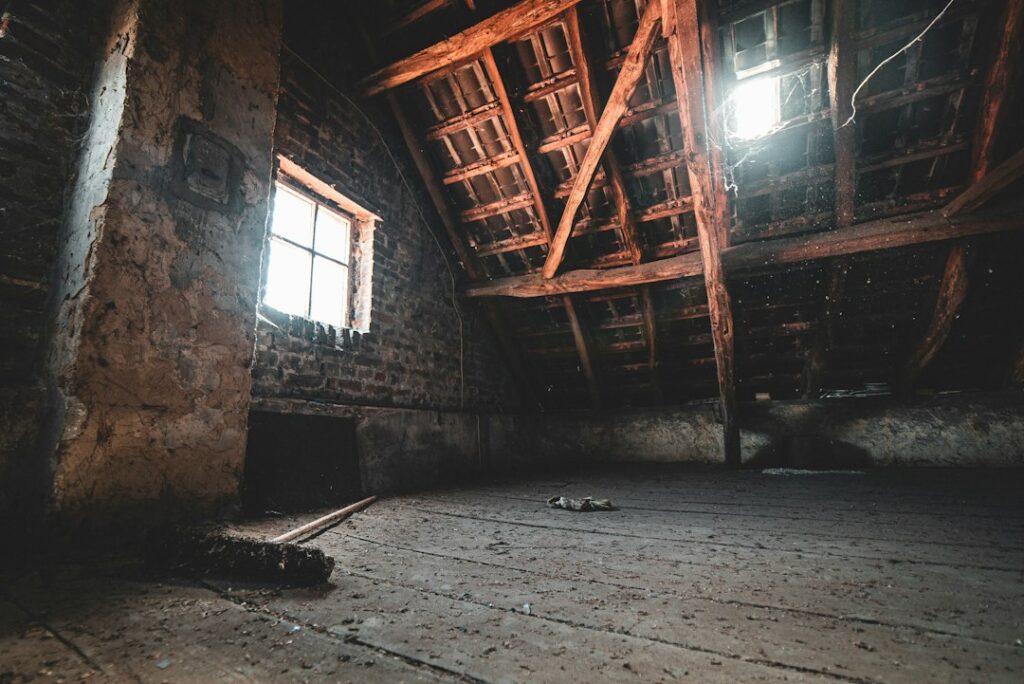
If the attic can be inspected safely from a dry, stable floor, look for wet insulation, darkened wood, water trails, or daylight through the roof deck. Do not walk on the insulation or ceiling surface. A flashlight and photographs from a safe position are usually more useful than trying to trace the leak by hand.
Why are winter leaks common in Watertown, NY?
Cold-weather conditions can combine snow, wind, ice, and freeze-thaw cycles in ways that expose weak points in a roof. Watertown receives substantial winter snow, and lake-effect storms can create uneven snow depths across a roof. Snow may drift against higher roof sections, chimneys, dormers, and roof-to-wall transitions.
Ice dams are another common cause of winter water entry. They form when heat melts snow higher on the roof and the water refreezes near a colder eave. The resulting ice can obstruct drainage, allowing water to move beneath roofing materials.
Do not chop at an ice dam with a shovel, axe, or other sharp tool. That can damage shingles, flashing, gutters, and the roof surface. Do not pour salt or chemical de-icers across roofing materials unless the product is specifically suitable for that application. Runoff can damage exterior surfaces and landscaping.
Heavy snow and ice can also create structural concerns. Sagging roof lines, unusual creaking, doors that suddenly stick, cracked interior finishes, and separated ceiling or wall joints should be treated seriously. Snow removal from a roof is not a routine do-it-yourself task when the roof is steep, icy, high, or showing signs of distress.
What should you do if the leak stops?
A leak that stops is not necessarily fixed. Water may have stopped because the rain ended, snow refroze, wind changed direction, or the remaining moisture has drained from the affected area.
Mark the edges of an interior stain with a pencil and write the date beside it. This helps show whether the stain grows after the next storm or thaw. Continue checking the attic, ceiling, and nearby walls for dampness, peeling paint, soft drywall, musty odors, or new discoloration.
Do not paint over a water stain until the source has been addressed and the material has dried. Covering the mark can hide continuing moisture and may trap dampness against the surface.

Wet insulation, drywall, wood, and flooring should be dried promptly. Prolonged moisture can contribute to mold growth, odor, staining, and deterioration. Porous materials that remain saturated may need more than surface drying.
When is roof access unsafe?
Roof access should be avoided during rain, freezing conditions, high winds, darkness, or active snowfall. Snow can conceal holes, weak decking, skylights, and changes in roof level. Ice may be present even when the surface looks merely damp.
Ground-level inspection is safer. Look for missing shingles, damaged metal, fallen branches, displaced gutters, exposed underlayment, and water flowing from unusual locations. Use binoculars or photographs taken from the ground rather than climbing a ladder to get a closer view.
Ladders also become dangerous when placed on snow, ice, soft ground, or uneven surfaces. Never climb onto a roof to investigate a leak while carrying tools, buckets, or bulky materials.
What information should you record?
A clear record can make the situation easier to understand and can help separate storm damage from an older maintenance issue. Note:
- The date and approximate time the leak began
- Whether rain, wind, snow, or thawing occurred
- The rooms and surfaces affected
- Whether water was dripping, running, or pooling
- Any ceiling sagging, bubbling paint, or wall staining
- Visible exterior damage from the ground
- Temporary steps taken to protect belongings
Keep damaged materials, photographs, and receipts for emergency cleanup when appropriate. Do not discard important evidence before documenting it.
How can future leaks be reduced?
Regular visual checks are especially useful before winter, after major wind events, and during spring thaw. From the ground, inspect roof edges, gutters, downspouts, flashing, and areas around chimneys or roof penetrations.
Keep gutters and downspouts clear enough to carry water away from the building. Make sure downspouts discharge away from the foundation and are not blocked by ice, leaves, or compacted snow.
In the attic, proper insulation and ventilation can help reduce heat movement into the roof area, but ventilation changes should be planned carefully. Blocking vents or adding insulation without understanding the existing airflow can create new moisture problems.
The most useful response to a leak is not simply drying the visible spot. It is controlling the water, protecting people from electrical and structural hazards, identifying the likely entry path, and checking whether hidden materials remain wet after the surface appears dry.
