

What Causes Shingles to Curl and Crack in Watertown, NY?
Shingles curl and crack mostly because of age, weather exposure, and sometimes improper installation. In the context of Watertown, NY, harsh winters, freeze-thaw cycles, and high winds can speed up this wear.
Asphalt shingles are most common on homes throughout the city, but even the best materials can struggle. Extreme cold can make shingles brittle. Ice dams—those ridges of ice along the eaves—trap water and force it up under shingle edges, increasing the risk of cracking and curling. In the warmer months, UV rays and sudden temperature shifts can further stress roof materials.
Other common causes include:
- Poor attic ventilation, which lets heat and moisture build up under the roof
- Old or low-quality shingles reaching the end of their lifespan
- Shingles installed over previous layers rather than on bare sheathing
- Insufficient or uneven underlayment beneath the shingles
Understanding the cause helps determine if local conditions are mainly to blame or if there are correctable issues inside the home.
How Can Homeowners Spot Curling and Cracking Early?
Early detection makes repairs easier and less expensive. Homeowners in the city should routinely check their roofs, particularly after winter storms or as spring thaw begins.
Typical signs:
- Shingle edges or corners lifting up ("cupping")
- Middle of shingles rising ("clawing")
- Jagged cracks running along or across shingle surfaces
- Granular material building up at the bottom of downspouts (lost shingle granules)
- Sunlight visible in attic spaces where there shouldn't be any
From the ground, curling shingles may be visible as uneven or wavy patches along the roof. Binoculars can safely improve visibility. For cracking, a closer look—sometimes from a ladder, if safe—is needed, but avoid walking directly on an old, brittle roof. If unsure, using a camera with a zoom lens from ground level can reveal problem areas without personal risk.
What Short-Term Actions Help Protect a Roof with Curling or Cracking?
If curling or cracking shingles are discovered, short-term measures can help limit water intrusion until more permanent repairs are made. It's especially wise to act before heavy rain or the next freeze.
Consider:
- Clearing debris (leaves, branches) from the roof with a soft brush to prevent water damming
- Checking attic spaces for leaks during rainfall to catch early water entry
- Using roofing cement or caulk to gently seal minor cracks—only if the weather is dry and the area is small
- Reinforcing curled shingle tabs by gluing down loose edges with roofing adhesive (do not nail them down, as this can split brittle material)
These are stopgap steps, but can reduce the immediate risk to insulation, attic framing, and interior ceilings typical in older city homes.
When Is Full Shingle Replacement Necessary?
Extensive curling and cracking usually means the shingles have lost their weatherproofing ability. For most area homes, this happens after 15–20 years, but could be sooner with intense weather or if attic ventilation is lacking.
Full replacement is usually required if:
- Cracks appear across many shingles, especially if accompanied by missing or broken pieces
- Several coarse patches with curled shingles are visible on one or more roof faces
- Leaks appear in multiple attic spots after storms or melting snow
- Shingle granule loss exposes black or shiny spots on many shingles
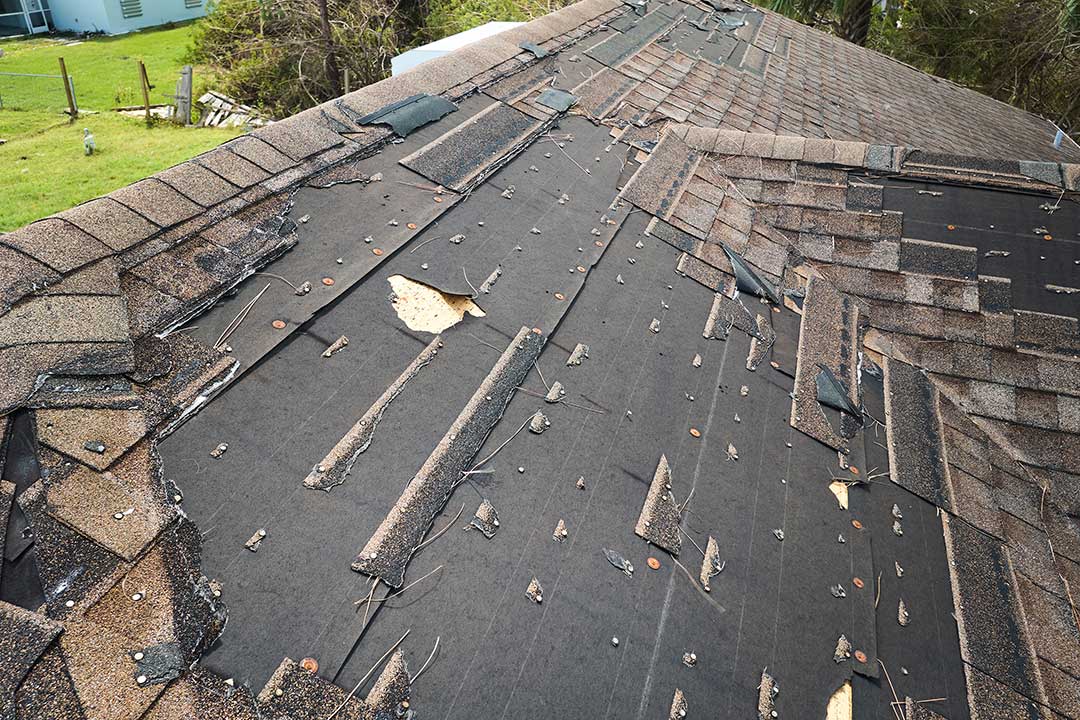
It’s a common misconception that patching a few curled or cracked shingles will permanently solve the problem. Patching can be a temporary fix, but widespread symptoms often indicate the roofing’s time is up, and delaying replacement can risk costly attic or interior water damage.
What Maintenance Helps Prevent Shingle Problems in This Area?
Preventive maintenance goes a long way in protecting roofs from early failure in this climate. Regular checks are most valuable in late fall (before snow) and early spring (after freeze-thaw cycles).
Homeowners can:
- Ensure gutters and downspouts are clear to prevent ice dams and backup
- Rake snow from roof edges with a roof rake to reduce weight and thaw-re-freeze stress
- Assess attic insulation and ventilation—reduce heat loss and allow moist air to escape (vital in local cold, damp winters)
- Prune overhanging tree limbs to reduce roof shade and debris accumulation
- Check flashing and sealants around chimneys and vent pipes for cracks or gaps
Turning attention to these simple, seasonal routines can delay the need for large repairs and keep the roof functioning longer.
Are Newer Roofing Materials or Techniques Better for Preventing Curling and Cracking?
Advances in shingle design and installation do offer better protection than older materials. Architectural or laminated shingles (thicker, multi-layered) are more resilient to curling and better at withstanding local storm conditions. Proper underlayment systems, like ice and water shields, are now commonly used beneath shingles along eaves and valleys, offering added leak protection.
Attic ventilation technology has also improved, with ridge and soffit venting now integral in many new homes. These keep heat and moisture moving out, lessening the temperature extremes that lead to curling and cracking.
While upgrading is most practical during roof replacement, it’s useful for residents to be aware of options—especially when planning long-term improvements after a roof ages out or suffers storm damage.
What Are Common Misconceptions About Shingle Curling and Cracking?
Many assume these issues are only cosmetic, but in this climate, they nearly always signal diminished effectiveness against water intrusion. Another misconception is that only old roofs curl or crack—poor attic ventilation and improper installation can affect even relatively new roofs in the city.
Some believe new shingles can simply be layered atop old ones, but this can compound underlying problems, masking existing damage and accelerating new issues. Homeowners sometimes expect repairs to hold through multiple winters, not realizing how quickly freeze-thaw and high winds can deteriorate older patches.
Understanding the root of the problem, and the limitations of small fixes, helps prevent escalating costs or unexpected damage to interior living spaces.
